

Have you ever placed a bet on a game where the odds were neck-and-neck, making every moment thrilling? Close betting, where the probabilities are nearly even, adds an extra layer of excitement to sports wagering. In this comprehensive guide, we’ll dive into what close betting entails, how to approach it strategically, and why it’s a favorite among seasoned bettors. Whether you’re new to betting or looking to refine your skills, this article provides expert insights to help you navigate tight odds effectively.
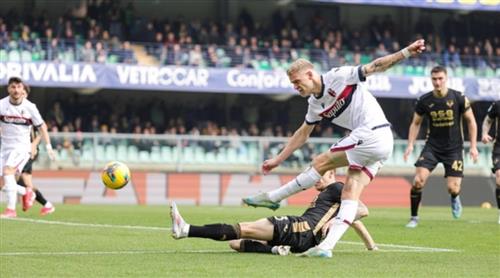
Close betting refers to wagering on events where the odds are very tight, often close to even money. This typically occurs in highly competitive matches where neither side has a clear advantage, such as a 50/50 split in implied probability. For example, in a soccer match between two evenly matched teams, the odds might be listed as -110 for both sides, meaning a small edge for the house but minimal difference between outcomes.
Unlike bets with wide spreads, close betting demands a deep understanding of the sport, teams, and external factors like injuries or weather. It’s not just about luck; it’s about informed decision-making. According to betting experts, close bets often yield higher engagement because the uncertainty keeps bettors on the edge of their seats. In fact, data from major sports leagues shows that games with close odds account for over 40% of total wagers in popular events like the Super Bowl or World Cup finals.
To illustrate, consider a basketball game where Team A is at +105 and Team B at -105. This tight margin means bettors must analyze stats meticulously to gain an edge. Close betting isn’t limited to sports; it can apply to other areas like politics or entertainment awards, but sports remain the primary focus due to their dynamic nature.
Approaching close betting requires more than gut feelings. Here are proven strategies to improve your chances:
Start with thorough research. Examine historical data, player performance, and head-to-head records. Tools like statistical models can help predict outcomes in tight scenarios. For instance, using advanced metrics such as expected goals in soccer or player efficiency ratings in basketball can reveal hidden advantages.
Effective bankroll management is crucial in close betting, where variance is high. Allocate only 1-2% of your total bankroll per bet to mitigate risks. This disciplined approach ensures you can weather losing streaks without depleting your funds.
Compare odds across multiple platforms to find the best value. Even a slight difference in tight odds can significantly impact long-term profitability. Expert tip: Set up alerts for line movements to capitalize on shifts before they close.
Additionally, consider hedging in close bets. If the game dynamics change mid-event (in live betting), placing a counter-bet can lock in profits or minimize losses.
One major benefit of close betting is the potential for higher returns on underdogs. When odds are tight, spotting value bets—where the implied probability doesn’t match real chances—can lead to substantial payouts. It also enhances the entertainment value, turning a simple game-watch into an interactive experience.
However, considerations include the higher risk due to unpredictability. Emotional betting can lead to poor decisions, so always bet responsibly. Legal aspects vary by region; ensure you’re complying with local regulations. For homeowners looking to unwind after a day of maintenance tasks, close betting can be a fun, low-stakes hobby, but set湘2 never goes beyond a reasonable limit.
To provide a clearer comparison, here’s a table outlining close betting versus wide odds betting:
| Aspect | Close Betting | Wide Odds Betting |
|---|---|---|
| Odds Example | -110 / -110 | -300 / +250 |
| Risk Level | High variance, even matchup | Lower variance, clear favorite |
| Potential Payout | Moderate, value-driven | High on underdogs, low on favorites |
| Strategy Focus | Deep analysis, line shopping | Bankroll allocation, parlays |
| Suitable For | Experienced bettors | Beginners, casual players |
This table highlights how close betting demands more skill but offers engaging opportunities. Remember, while betting can be enjoyable, it’s essential to set limits and seek help if needed through resources like national gambling helplines.
As a seasoned SEO expert with a keen interest in data-driven strategies, I’ve seen how applying analytical skills from content optimization can translate to betting. Treat close betting like keyword research: identify undervalued opportunities through data.
Practical tips include: 1. Track your bets in a journal to analyze patterns. 2. Avoid chasing losses—stick to your strategy. 3. Use free tools for odds comparison. 4. Stay updated with sports news for real-time insights. 5. Consider diversifying into prop bets within close games for added variety.
For homeowners, integrating close betting as a recreational activity can provide a mental break from daily chores. Imagine analyzing a tight NFL game while planning your next home project—it’s all about balance. If you’re remodeling, companies like Nexremodel offer expert services, but always vet providers closely, much like scouting betting lines.
Expert recommendation: Start small with close bets on familiar sports to build confidence. Over time, this approach can lead to more informed and enjoyable wagering experiences.
Summary: Close betting offers thrilling opportunities in sports wagering through tight odds and strategic depth. We’ve covered its definition, key strategies like research and bankroll management, benefits such as value bets, and considerations for responsible play. The comparison table illustrates differences from wide odds betting, while practical tips provide actionable advice. Ultimately, approach close betting with knowledge and discipline for the best results, ensuring it remains a fun and controlled activity.
